
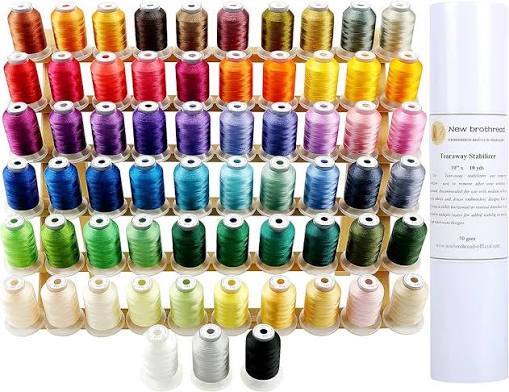
Embroidery Threads: Elevate Your Creations with Color, Texture, and Elegance
Introduction
Embroidery threads are the heart of every embroidery project. They transform plain fabrics into works of art, allowing crafters and designers to express their creativity with color, texture, and style. From delicate floral patterns to bold motifs, the right thread can make your embroidery look professional and long-lasting.
In this blog, we’ll explore everything you need to know about embroidery threads: types, features, techniques, uses, care tips, and buying guide. By the end, you’ll understand why high-quality embroidery threads are essential for your projects.
What Are Embroidery Threads?
Embroidery threads are special threads designed for decorative stitching on fabrics. Unlike standard sewing threads, embroidery threads are smoother, shinier, and available in a wider range of colors.
They are commonly used in hand embroidery, machine embroidery, quilting, home décor, fashion designs, and accessories. Their primary purpose is to add color, texture, and dimension, making any project visually appealing.
Features of Embroidery Threads
-
Vibrant Colors:
Embroidery threads are available in thousands of colors, allowing you to create intricate designs with precision. -
Smooth Finish:
These threads are less prone to tangling and give a smooth, professional look to your stitches. -
Variety of Materials:
Embroidery threads can be made from cotton, polyester, rayon, silk, metallic, and blends, each providing unique effects. -
Durability:
High-quality embroidery threads are resistant to fading and breakage, ensuring your designs last. -
Shimmer & Shine:
Many embroidery threads, like rayon or metallic threads, provide a subtle or bold sheen, enhancing the beauty of your work.
Types of Embroidery Threads
Embroidery threads come in various types, each suitable for different projects:
-
Cotton Embroidery Threads:
Soft and matte, ideal for hand embroidery, quilting, and delicate designs. -
Polyester Embroidery Threads:
Strong, smooth, and vibrant; perfect for machine embroidery and high-stress applications. -
Rayon Threads:
Silky with a lustrous shine, often used for machine embroidery and decorative crafts. -
Metallic Threads:
Shiny and reflective, used to add sparkle and highlights to embroidery projects. -
Silk Threads:
Premium threads with luxurious texture and natural sheen, perfect for high-end fashion or special projects.
Applications of Embroidery Threads
-
Clothing & Fashion:
Embroidery threads are widely used to decorate garments, sarees, jackets, shirts, and dresses, adding a custom, elegant touch. -
Home Décor:
From cushion covers and tablecloths to wall hangings, embroidery threads elevate home textiles with colorful designs. -
Accessories:
Ideal for bags, shoes, hats, and belts, embroidery threads provide unique and personalized details. -
Gifts & Personal Projects:
Create handmade, customized gifts like embroidered towels, handkerchiefs, or frames. -
Professional Use:
Fashion designers, tailors, and embroidery artists rely on high-quality threads for premium results and professional finishes.
Techniques to Use Embroidery Threads
-
Hand Embroidery Techniques:
-
Satin Stitch: Fills shapes with smooth, solid color.
-
Backstitch: Outlines designs clearly.
-
French Knots: Adds dimension and texture.
-
Chain Stitch: Decorative lines and borders.
-
-
Machine Embroidery Techniques:
Modern embroidery machines can handle polyester and rayon threads, allowing intricate designs, logos, and monograms. -
Blending Threads:
Mixing colors or using multiple thread types creates gradient effects and unique textures. -
Layering Threads:
Layering threads adds depth and richness, making designs stand out visually.
Benefits of Using High-Quality Embroidery Threads
-
Consistent Stitching: Prevents uneven, loose, or messy threads.
-
Color Fastness: Colors stay vibrant even after washing.
-
Ease of Use: Smooth threads reduce tangling and machine thread breaks.
-
Professional Finish: Makes garments and crafts look premium and well-crafted.
Embroidery Threads vs Regular Sewing Threads
| Feature | Embroidery Threads | Regular Sewing Threads |
|---|---|---|
| Color Variety | Wide & vibrant | Limited |
| Finish | Smooth, shiny | Matte |
| Strength | Medium to high | Medium |
| Best For | Decorative stitching | Garment construction |
| Application | Hand & machine embroidery | General sewing |
Conclusion: While regular threads are functional, embroidery threads are specialized for decorative purposes and add elegance to any project.
Tips for Using Embroidery Threads
-
Choose the Right Thread: Match thread type with fabric and project.
-
Needle Selection: Use sharp embroidery needles to prevent puckering.
-
Thread Length: Cut threads to manageable lengths to avoid tangling.
-
Thread Storage: Store in organized boxes or spools to maintain color and quality.
-
Experiment: Try color blends, textures, and layering to enhance creativity.
Caring for Embroidery Threads
-
Washing: Hand-wash or machine-wash on gentle settings to prevent damage.
-
Ironing: Iron on low to medium heat; place a cloth over embroidery to protect threads.
-
Storage: Keep in a cool, dry place; avoid sunlight to prevent fading.
-
Handling: Avoid excessive pulling or friction to maintain stitch integrity.
Embroidery Thread Buying Guide
-
Material: Choose cotton for matte, polyester for durability, rayon for shine, metallic for sparkle.
-
Thread Weight: Thicker threads for bold designs, thinner for delicate stitching.
-
Color Range: Look for vibrant and consistent color threads.
-
Brand Quality: Invest in high-quality threads to prevent breakage, tangling, and fading.
-
Purpose: Consider whether you are hand embroidering or using a machine.
FAQs About Embroidery Threads
Q1: Can I use embroidery threads on thick fabrics?
Yes! Choose heavier threads or multiple strands for thick fabrics like denim or canvas.
Q2: Are embroidery threads suitable for washing?
Yes, high-quality threads maintain color and texture after gentle washing.
Q3: Can I use embroidery threads for machine stitching?
Absolutely! Polyester and rayon threads work perfectly with embroidery machines.
Q4: How do I prevent thread breakage?
Use correct needle size, proper tension, and avoid excessive pulling.
Conclusion
Embroidery threads are essential for adding color, texture, and elegance to any project. They are versatile, vibrant, and easy to use, making them suitable for fashion, home décor, accessories, gifts, and professional designs.
Investing in premium-quality embroidery threads ensures that your creations look beautiful, professional, and last long. Whether you are a beginner or an experienced crafter, the right thread can elevate your designs and bring your imagination to life.
Ready to Transform Your Projects?
Explore our wide range of premium embroidery threads, available in vibrant colors, different materials, and multiple thread weights. Shop now and make every stitch count!